

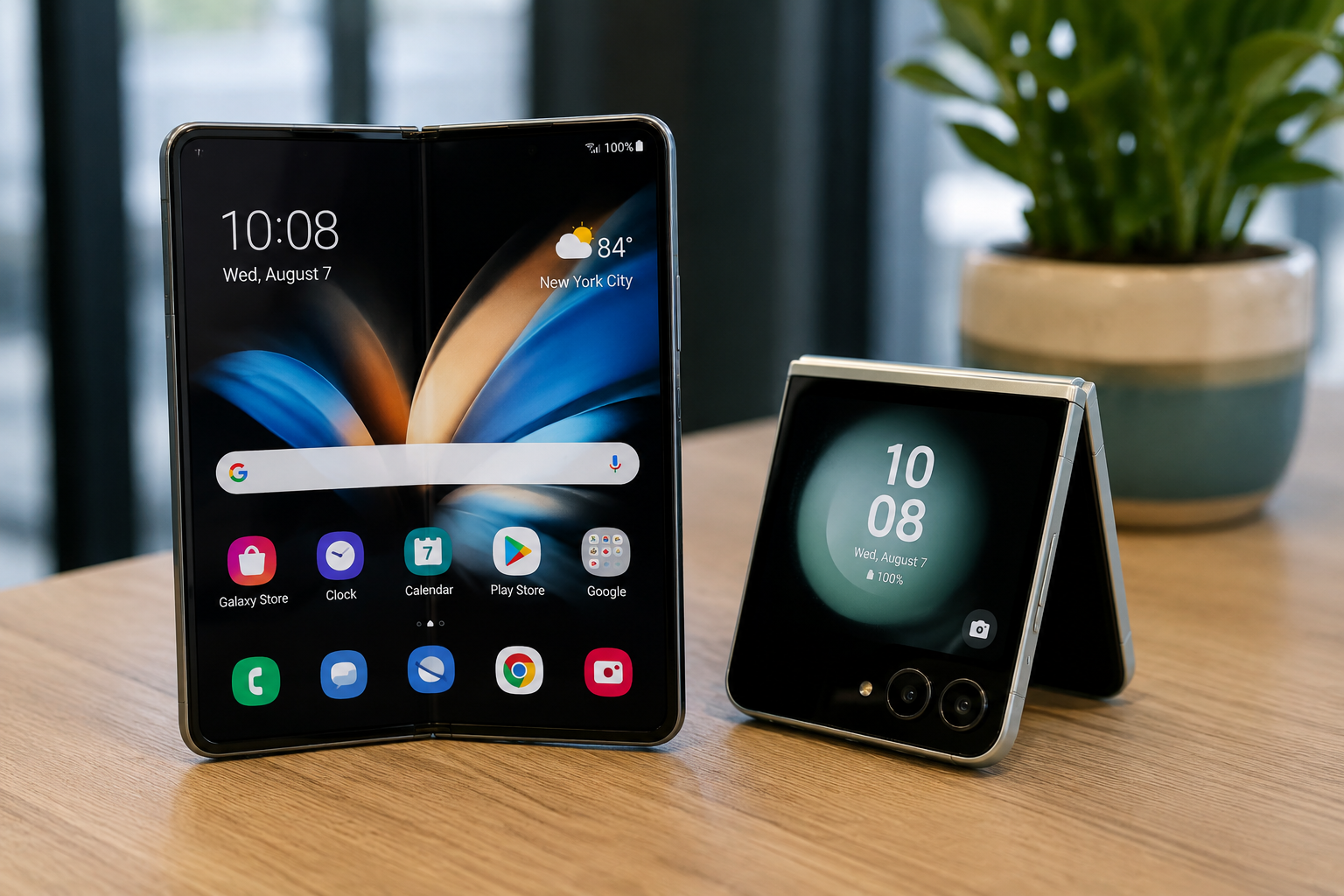
For years, foldable phones were the technology everyone was curious about but few people actually bought. High prices, visible screen creases, and durability worries kept them niche. That’s shifting in 2026. Manufacturers have solved several of the biggest complaints, prices have come down from their original highs, and foldables are starting to show up as genuine flagship options rather than expensive experiments.
What’s Actually Changed
The crease is disappearing. The visible crease has been one of the biggest complaints about foldable phones. It usually appears where the flexible display meets the phone’s hinge. Newer foldable designs use improved materials and hinge mechanisms to reduce the crease significantly. That change could remove one of the biggest reasons people hesitate to buy a foldable phone.
Durability has improved. Early foldables felt fragile. Current-generation devices use tougher folding glass and improved hinge protection, and most major manufacturers now offer IP-rated water resistance, something early foldables lacked entirely.
Software finally treats the big screen as a feature, not an afterthought. In the early days, apps just stretched awkwardly across the folded-out screen. App developers have since caught up, with more apps offering genuine split-screen layouts, tablet-style interfaces, and multitasking that takes advantage of the extra space instead of just filling it.
Who a Foldable Actually Makes Sense For
Foldables aren’t for everyone, and it’s worth being honest about that before spending the extra money.
Good fit if you:
- Frequently multitask on your phone (reading + note-taking, video calls + browsing)
- Want a tablet-sized screen without carrying a separate tablet
- Value having a standout, premium device and don’t mind paying for it
- Read a lot on your phone (books, documents, articles) and want a larger canvas
Probably skip it if you:
- You primarily use your phone one-handed for quick tasks
- Budget is a top priority — foldables remain the most expensive category of phone
- You’ve dropped or cracked a phone screen in the past — while durability has improved, a folding screen is still inherently more delicate than a solid slab of glass
The Price Reality
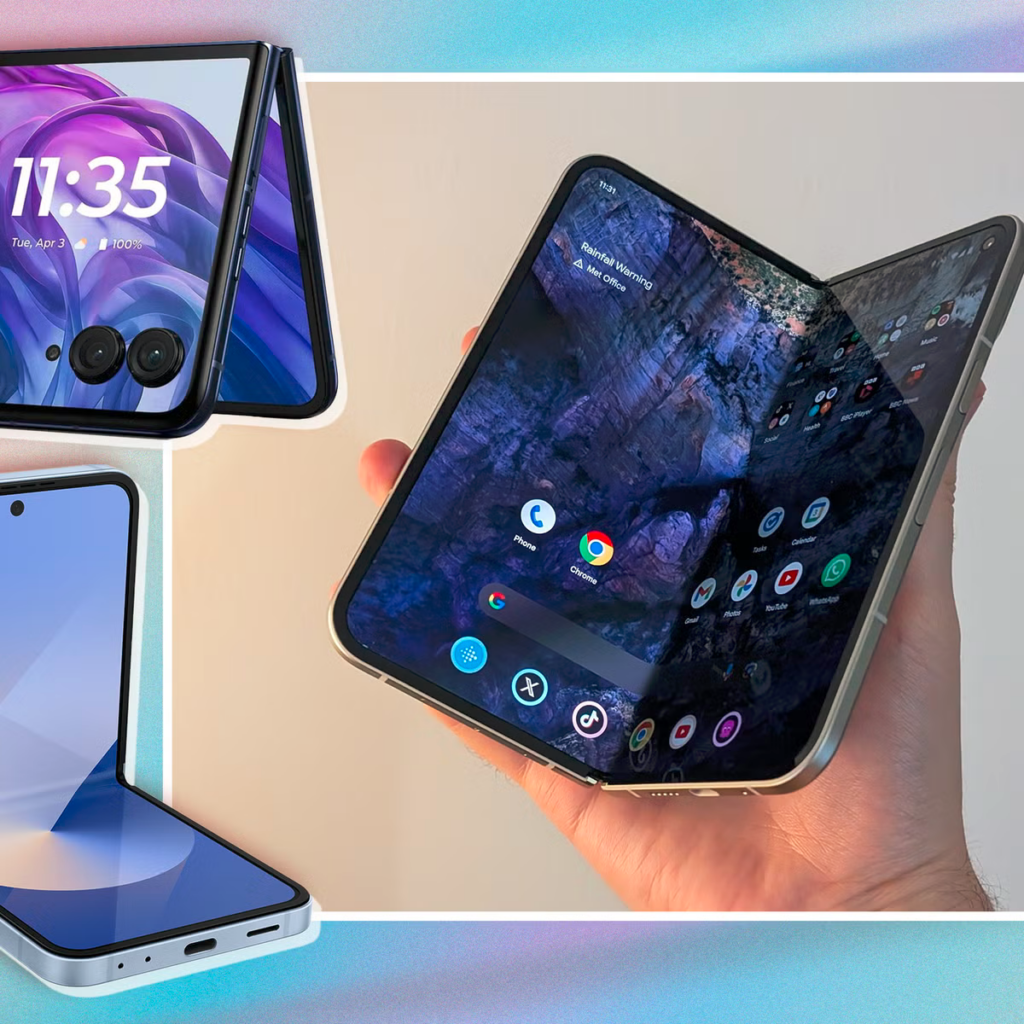
Foldables still carry a real premium over a comparable flagship slab phone, but the gap has narrowed. Compact “flip-style” foldables in particular have come down enough in price to be a realistic upgrade for people who just want the novelty and pocketability, without paying the full premium of a large book-style foldable.
What to Check Before You Buy
- Battery life with the screen unfolded — running a larger display naturally drains the battery faster; check reviews for real-world unfolded screen-on time, not just the marketing number.
- Software support commitment — look for a manufacturer that has committed to multiple years of OS and security updates, since foldables are a bigger investment than a typical phone.
- Case and accessory availability — folding phones have historically had a smaller selection of cases and accessories than standard phones; check that your model has decent third-party support before buying.
- Return policy — because foldables genuinely feel different in daily use than in a store demo, buy from a retailer with a generous return window so you can test it in your actual routine.
The Bottom Line
Foldable phones in 2026 no longer feel like unfinished technology waiting for better days. Manufacturers have fixed many of the problems that once made people hesitate. The real question now is how often you’ll use that extra screen space. Heavy multitaskers may find foldables especially useful for everyday work and entertainment. For them, a foldable can now serve as both a phone and a small tablet. This makes 2026 an interesting time to consider one as your everyday phone.
